
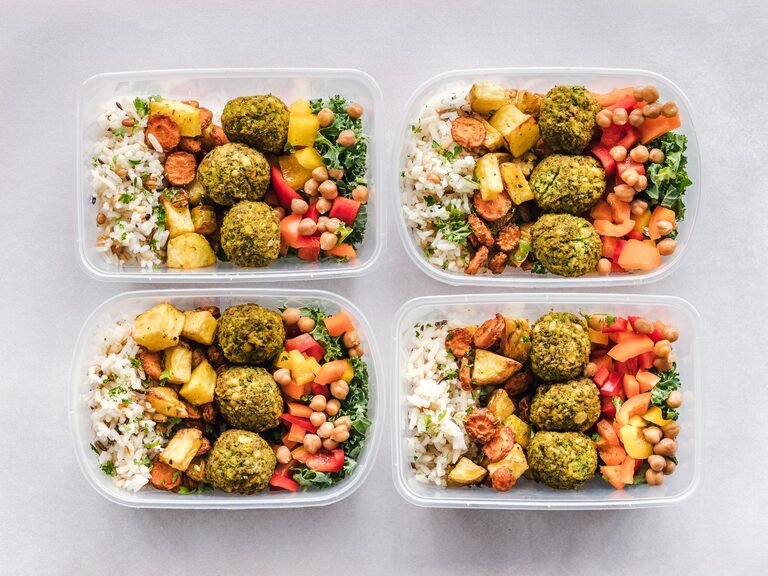
Busy weeks can make cooking feel like one more task on a long list. A little meal prep can make weekdays easier by reducing decision-making, shortening cooking time, and helping you use the ingredients you already have.
Meal prep does not have to mean cooking every meal for an entire week in one afternoon. You can prepare a few basic ingredients, make one large dish, or simply organize snacks and breakfast items ahead of time. The best approach is the one that fits your schedule.
Start With a Simple Plan
Before cooking, take 10 minutes to look at the week ahead. Consider workdays, school activities, appointments, and evenings when you may have less time.
Choose two or three meals to prepare rather than trying to plan every bite. A simple plan might include:
– Two make-ahead breakfasts
– Two lunch options
– One large dinner that creates leftovers
– A few ready-to-eat snacks
– One flexible meal for using extra ingredients
Check your pantry, refrigerator, and freezer before shopping. This helps prevent duplicate purchases and gives you ideas for meals based on what you already have.
Build Meals From Basic Components
One of the easiest meal prep methods is to cook separate components that can be mixed and matched throughout the week. This keeps meals interesting without requiring several different recipes.
Prepare a combination of:
– A protein such as chicken, eggs, beans, lentils, tofu, or tuna
– A grain or starch such as rice, pasta, potatoes, oats, or quinoa
– Roasted or steamed vegetables
– A simple sauce or dressing
– Fresh toppings such as herbs, greens, cheese, or sliced vegetables
For example, cooked rice, roasted vegetables, and seasoned chicken can become a bowl one day, a wrap the next, and a quick stir-fry later in the week. Beans, chopped vegetables, and cooked pasta can be used in salads, soups, or warm skillet meals.
Keep sauces and wet ingredients separate until serving when possible. This helps protect the texture of grains, vegetables, and greens.
Easy Breakfast Ideas
Breakfast is often easier to manage when most of the work is done ahead of time.
Overnight Oats
Combine oats with milk or a milk alternative in small containers. Add yogurt, cinnamon, fruit, nuts, or seeds before serving. Prepare several jars at once and vary the toppings so each serving feels different.
Egg Muffins
Whisk eggs with chopped vegetables, cheese, and cooked meats or beans. Pour the mixture into a greased muffin pan and bake until set. Store the portions in the refrigerator and warm them when needed.
Make-Ahead Smoothie Packs
Place fruit, greens, and other dry ingredients into individual freezer bags or containers. When ready to blend, add the contents to a blender with your preferred liquid. This reduces morning preparation and makes it easier to use fruit before it becomes overripe.
Breakfast Burritos
Fill tortillas with scrambled eggs, beans, roasted vegetables, and cheese. Wrap them individually and refrigerate or freeze them. Reheat as needed for a filling breakfast on busy mornings.
Packable Lunches That Hold Up Well
A good make-ahead lunch should be easy to pack, store, and eat. Choose ingredients that stay appealing after a few hours in a container.
Grain Bowls
Layer cooked grains, vegetables, beans or meat, and a dressing. Store the dressing separately if you want the vegetables and grains to remain firm.
Pasta Salad
Combine cooked pasta with vegetables, beans, cheese, and a light dressing. Pasta salad can be served cold or at room temperature, making it convenient for work or school lunches.
Wraps and Sandwich Fillings
Prepare fillings such as chicken salad, egg salad, hummus with vegetables, or sliced turkey with cheese. Store the filling separately from the bread when possible, then assemble the wrap or sandwich the night before.
Soup
A large pot of soup can provide several lunches. Try tomato and bean soup, chicken and vegetable soup, lentil soup, or a simple noodle soup. Divide it into individual containers so it is easy to grab and reheat.
One-Pan Dinners for Busy Nights
Sheet-pan meals are useful because they require limited preparation and create fewer dishes. Add a protein, vegetables, and a seasoning blend to a baking sheet, then cook everything together.
Try combinations such as:
– Chicken, potatoes, and green beans
– Sausage, peppers, and onions
– Tofu, broccoli, and carrots
– Fish, zucchini, and cherry tomatoes
– Chickpeas, cauliflower, and sweet potatoes
For better results, cut ingredients into similar-sized pieces. Add foods that cook quickly later in the process so they do not become overcooked.
Another simple option is a large skillet meal. Cook vegetables with beans, ground meat, or tofu, then add rice, pasta, or a sauce. Serve it as a bowl, filling, or topping throughout the week.
Prepare Snacks in Advance
Pre-portioned snacks can make busy days easier and reduce the temptation to skip meals. Keep a few options ready in the refrigerator, pantry, or desk drawer.
Useful ideas include:
– Washed fruit
– Cut vegetables with hummus
– Yogurt cups
– Cheese and crackers
– Trail mix
– Popcorn
– Hard-boiled eggs
– Homemade energy bites
– Individual servings of nuts or seeds
Use small containers or reusable bags to divide snacks after shopping. This takes a few extra minutes but makes them easier to grab during the week.
Make Prep Faster
Meal prep becomes more manageable when you use a repeatable routine. Start with foods that take the longest, such as roasted vegetables or grains. While they cook, wash produce, prepare sauces, and portion snacks.
A helpful order is:
- Read the recipes and gather ingredients.
- Start the oven, rice cooker, or slow cooker.
- Wash and chop vegetables.
- Cook the main proteins and grains.
- Mix sauces, dressings, or marinades.
- Portion meals into containers.
- Label containers with the meal name or day.
Choose recipes that share ingredients. For example, a bunch of cilantro can be used in a grain bowl, soup, and salsa. A package of tortillas can work for breakfast burritos, lunch wraps, and quick quesadillas.
Store Meals for Convenience
Use containers that are easy to stack, close securely, and reheat safely. Keep meals in serving-sized portions when you expect to eat them on the go.
Store ingredients separately when texture matters. Keep crunchy toppings, sauces, and fresh herbs in small containers until you are ready to eat. Label freezer meals with the name and date so they are easy to identify later.
If you prepare more food than you can use in a few days, freeze some portions instead of keeping everything in the refrigerator. Allow hot food to cool appropriately before storing, and follow reliable food storage guidance for your refrigerator and freezer.
Keep It Flexible
Meal prep should make life easier, not create extra pressure. If plans change, use prepared ingredients in a different way. Turn roasted vegetables into an omelet, add leftover chicken to soup, or use cooked grains in a quick skillet dish.
You can also prepare only one category at a time. Wash produce on Sunday, cook a grain midweek, or make a large dinner that provides leftovers. Even small steps can save time.
The goal is not perfect planning. It is having a few useful ingredients ready when the week gets busy. Start with one breakfast, one lunch, and one dinner, then adjust your routine based on what your household actually enjoys and uses.
