
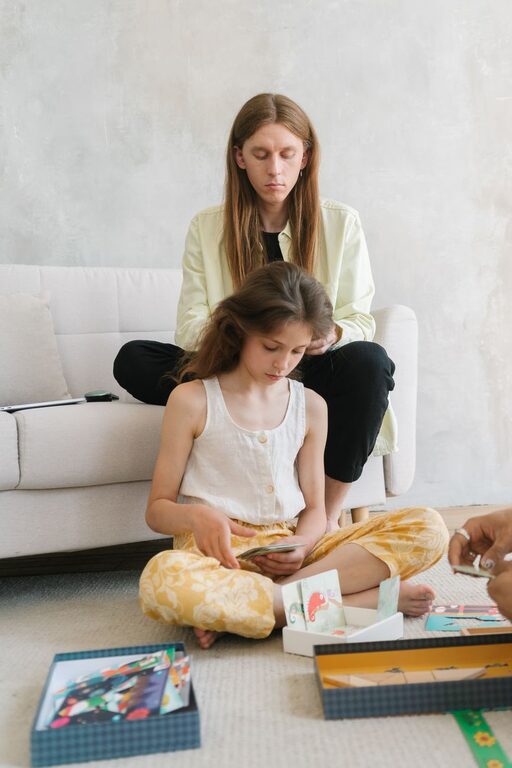
Family game night is a simple way to spend quality time together without screens, busy schedules, or complicated planning. With a few games, easy snacks, and a relaxed attitude, you can create an evening everyone looks forward to.
The best game nights are not always the most competitive. Choose activities that encourage laughter, teamwork, and conversation. Whether your family enjoys classic board games, creative challenges, or quick card games, there are plenty of ways to make the evening special.
Start With a Simple Plan
A little preparation can help the night run smoothly. You do not need a detailed schedule, but it helps to decide on a few basics ahead of time.
Consider:
– How many people will play
– The ages and interests of the players
– How much time you have
– Whether you want competitive or cooperative games
– What snacks and drinks to serve
– How many games you want to play
For younger children, choose games with simple rules and shorter playing times. Older children and adults may enjoy strategy games, trivia, or games that involve storytelling. If everyone has different preferences, select a mix of activities so each person gets a turn to choose.
Create a Game Night Theme
A theme can make an ordinary evening feel like an event. It does not need to be elaborate. A few decorations, matching snacks, or a special playlist can set the mood.
Try one of these ideas:
Pajama Game Night
Invite everyone to wear pajamas and bring blankets or pillows to the living room. Serve popcorn, fruit, and warm drinks. Choose lighthearted games that can be played while sitting comfortably.
Around the World Night
Choose games inspired by different countries or regions. You can also serve small snacks from around the world and add a map to the table. This theme is a fun way to combine games with learning.
Family Tournament
Create a friendly tournament with several short games. Give players points for each round and make simple certificates for categories such as “Best Team Player” or “Most Creative.” Keep the focus on participation rather than winning.
Mystery Night
Set up a few mystery-themed games, puzzles, or guessing challenges. Dim the lights, use a few paper decorations, and serve snacks with fun names. This theme works especially well for families who enjoy clues and problem-solving.
Choose Games for Different Ages
A successful family game night gives everyone a chance to participate. If the age range is wide, offer games with flexible rules or create mixed-age teams.
For Young Children
Games for young players should be easy to understand and quick to finish. Look for activities that practice matching, counting, memory, or taking turns.
Good choices include:
– Matching games
– Simple picture bingo
– Memory card games
– Color or shape games
– Building challenges
– Easy dice games
Adults can help younger children by reading instructions, keeping turns moving, and celebrating good sportsmanship.
For Older Children
Older children may enjoy more choice and challenge. Try games that involve planning, drawing, guessing, or word skills.
Ideas include:
– Word-building games
– Drawing and guessing games
– Cooperative board games
– Trivia with age-appropriate questions
– Card games
– Timed puzzle challenges
Let older children explain the rules or keep score. Giving them small responsibilities can make them feel more involved.
For Teens and Adults
Teens and adults may enjoy games with strategy, humor, storytelling, or friendly competition. Choose activities that allow players to talk and interact rather than simply waiting for a turn.
Consider:
– Strategy board games
– Team trivia
– Word association games
– Charades
– Party card games
– Logic puzzles
– Custom family quizzes
When choosing a game, check that the rules and topics are suitable for everyone playing.
Try Cooperative Games
Competition can be fun, but cooperative games offer a different experience. In these activities, players work together toward one shared goal.
Cooperative ideas include:
– Completing a puzzle before a timer ends
– Building the tallest structure with blocks or paper cups
– Solving a series of clues
– Creating a family story one sentence at a time
– Working together to answer trivia questions
– Completing a scavenger hunt as a team
Cooperative games can be especially helpful when younger and older players are participating together. Family members can share ideas, teach one another, and celebrate a group success.
Make Your Own Games
You do not need a large collection of store-bought games. Many family activities can be made with items already at home.
Family Trivia
Write questions about family memories, favorite foods, hobbies, pets, or funny experiences. Place the questions in a bowl and take turns reading them. Keep the questions light and make sure everyone has a chance to answer.
Homemade Bingo
Create bingo cards using topics your family enjoys. Squares could include “has a favorite animal,” “likes to sing,” or “has visited another state.” Players can find someone who matches each square.
Indoor Scavenger Hunt
Hide clues around the house and create a short treasure hunt. Use simple rhymes or directions that lead players from one location to the next. The final reward can be a small treat, a silly prize, or the choice of the next game.
Drawing Challenge
Give everyone paper and pencils. Call out a topic, such as “a dream treehouse” or “an animal wearing a hat,” and set a short time limit. Display the drawings and let everyone share their creation.
Add Easy Snacks
Snacks help make game night feel festive, but they should be simple enough that they do not distract from the activities.
Try serving:
– Popcorn with different toppings
– Fresh fruit
– Vegetable sticks with dip
– Pretzels and crackers
– Mini sandwiches
– Cheese and whole-grain snacks
– Cookies or brownies
– Lemonade, water, or warm drinks
Use small bowls or individual cups to reduce spills and make cleanup easier. If you are playing a game with cards or pieces, choose snacks that are not too sticky or greasy.
Keep the Evening Relaxed
Rules are useful, but game night should not feel like a test. Explain each game clearly, and consider playing a practice round before beginning. If a game is not working for the group, switch to another one without making it a big issue.
A few simple guidelines can help:
– Take turns choosing games
– Keep games appropriate for the youngest players
– Avoid teasing or overly serious competition
– Allow short breaks
– Celebrate effort and creativity
– Make room for everyone to participate
– End with a favorite activity or dessert
It can also help to set a time limit for the evening. This keeps younger children from becoming too tired and gives everyone something to look forward to next time.
Make It a Regular Tradition
Family game night becomes more meaningful when it happens regularly. Choose a day that works for most people, such as the first Friday of each month or a weekend evening. You can keep a small box with games, score sheets, pencils, and snack ideas so setup is quick.
Invite each family member to contribute an idea for a future night. One person might choose the game, another might select the snacks, and someone else might create a homemade challenge.
The most important part is spending time together. With a few thoughtful choices and a willingness to laugh, family game night can become a simple tradition filled with conversation, creativity, and lasting memories.
