
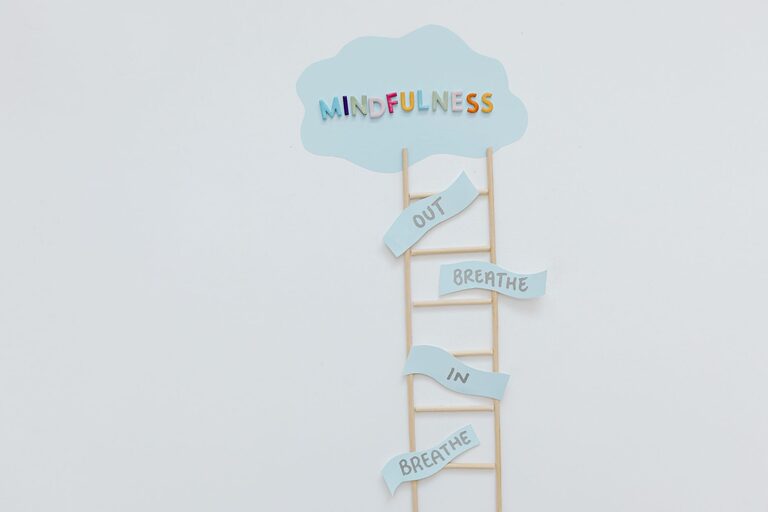
Mindful breathing breaks are simple pauses that help you reconnect with the present moment. They do not require special equipment, a quiet retreat, or a large block of free time. A few intentional breaths between tasks can create a useful transition and help you approach the next part of your day with more awareness.
For beginners, the goal is not to breathe perfectly or force yourself to feel calm. Instead, mindful breathing is about noticing your breath as it naturally moves in and out. With regular practice, these brief pauses can become an easy way to slow down, refocus, and check in with yourself.
What Is a Mindful Breathing Break?
A mindful breathing break is a short period when you deliberately pay attention to your breathing. You may notice the feeling of air moving through your nose, the rise and fall of your chest, or the movement of your stomach.
The practice can last anywhere from 30 seconds to several minutes. During that time, you gently return your attention to the breath whenever your mind wanders.
Mindful breathing is different from trying to control every breath. You can allow your breathing to remain natural. The main focus is awareness rather than performance.
Why Take Breathing Breaks?
Daily routines often involve back-to-back tasks, frequent notifications, and long periods of concentration. A short breathing break can create a clear pause between activities.
People use mindful breathing breaks to:
– Mark the end of one task and the start of another
– Bring attention back to the present moment
– Take a brief pause from screens and distractions
– Notice tension or restlessness
– Create a more intentional daily rhythm
– Practice responding rather than reacting automatically
The effects may be subtle. You might simply notice that you feel a little more settled or focused. Even a small change can make the next task feel more manageable.
Start With a Short Practice
A common beginner mistake is trying to practice for too long. Start with a time limit that feels easy to maintain.
Try one of these options:
– Three mindful breaths
– One minute of breathing
– Five breaths before opening an email
– Two minutes at the start of a work break
– Three minutes before going to bed
Short practices are easier to repeat. Once the habit feels familiar, you can gradually add more time if you want to. Consistency usually matters more than length.
Find a Comfortable Position
You can practice mindful breathing almost anywhere. Choose a position that allows you to stay comfortable and reasonably alert.
You might:
– Sit in a chair with both feet on the floor
– Stand beside your desk
– Sit on a bench outdoors
– Rest comfortably on a sofa
– Walk slowly while noticing your breathing
There is no required posture. Keep your shoulders relaxed, let your hands rest naturally, and allow your face to soften. If closing your eyes feels uncomfortable, keep them open and look gently at one spot.
Use the Breath as an Anchor
An anchor is something that brings your attention back to the present. For this practice, the breath is your anchor.
Begin by noticing a few details:
– Is the breath warm or cool?
– Do you feel movement in your chest or stomach?
– Is the breath smooth, shallow, deep, quick, or slow?
– Where do you notice the breath most clearly?
You do not need to change anything. Simply observe what is happening. When your attention drifts, gently return to one part of the breathing process.
A simple phrase can help. Silently say “in” as you inhale and “out” as you exhale. You can also count each breath from one to five, then begin again.
Expect Your Mind to Wander
A busy mind is a normal part of mindful breathing. You may think about work, errands, conversations, plans, or something you saw online. This does not mean you are doing the practice incorrectly.
When you notice that your attention has wandered:
- Acknowledge the distraction without judging it.
- Let the thought remain in the background.
- Return your attention to the next breath.
The return is the practice. Each time you notice and come back, you are building awareness. Try to replace self-criticism with a neutral attitude, such as, “My mind wandered, and now I am returning.”
Try a Simple One-Minute Exercise
Use this exercise when you need a quick reset.
Step 1: Pause
Stop what you are doing, if possible. Place your phone face down or move your hands away from your keyboard.
Step 2: Notice
Feel your feet on the floor and observe your current breathing. There is no need to change it.
Step 3: Follow three breaths
Pay attention to the beginning, middle, and end of each inhale and exhale. Notice the brief natural pauses between breaths.
Step 4: Widen your attention
After three breaths, notice your posture, facial expression, and surroundings. Take in sounds and other sensations without needing to analyze them.
Step 5: Continue
Return to your task at a comfortable pace. Consider what you want your attention to rest on next.
Connect Breaks to Daily Activities
A habit is easier to remember when it is linked to something you already do. Choose a regular event as a reminder.
Good opportunities include:
– Before starting your computer
– After finishing a meeting
– While waiting for water to boil
– Before eating a meal
– After parking your car
– Before moving from work to personal time
– When you notice yourself reaching for your phone
You can use a calendar reminder or a small note near your workspace. Over time, the activity itself may remind you to pause.
Keep the Practice Comfortable
Mindful breathing should feel gentle and manageable. Avoid forcing deep breaths or holding your breath for long periods. Let your breathing remain natural unless a qualified instructor has given you different guidance for a specific practice.
If you feel uncomfortable, lightheaded, or strained, stop the exercise and return to your normal breathing. You can also shift your attention to your feet, hands, or the sounds around you. The purpose is to develop steady awareness, not to push through discomfort.
Avoid Common Beginner Traps
A few simple reminders can make the practice more approachable:
– Do not wait for a perfect, quiet setting.
– Do not judge the quality of each breath.
– Do not expect every break to feel the same.
– Do not treat wandering thoughts as failure.
– Do not make the practice more complicated than necessary.
– Do not compare your experience with someone else’s.
Some days, your breathing may feel easy to notice. On other days, your mind may be active from the start. Both experiences are part of learning.
Build a Sustainable Routine
Start with one breathing break per day for a week. Choose a time that is realistic, such as after breakfast or before your afternoon tasks. Once that feels natural, add a second break if it fits your schedule.
You can keep a simple record by noting the date and length of each practice. There is no need to track detailed results. The purpose is simply to see how often you pause and to learn which times work best.
Mindful breathing breaks are small, flexible habits. A few attentive breaths can give you a moment to stop, notice what is happening, and choose how to continue. Begin with one comfortable minute, return to the breath with patience, and let the practice grow at its own pace.

Related Posts