
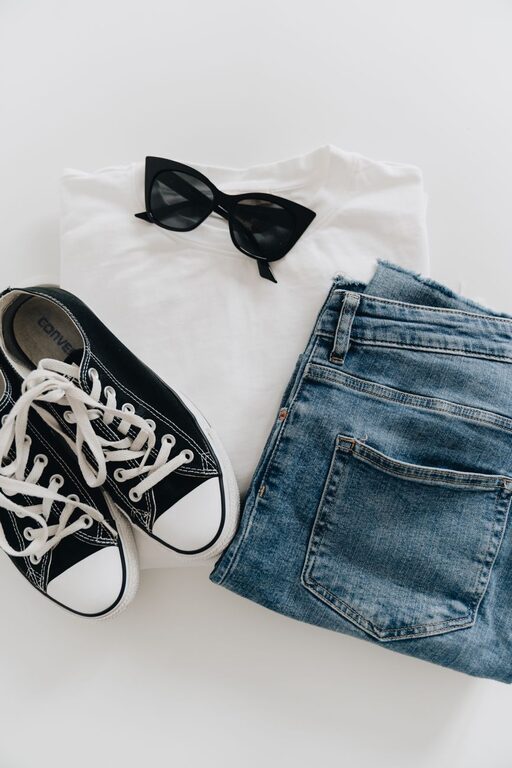
Building a capsule wardrobe is a practical way to simplify your closet and make getting dressed easier. Instead of filling your wardrobe with clothes you rarely wear, you choose a smaller collection of useful pieces that work well together.
A capsule wardrobe does not need to follow strict rules. It can be adapted to your lifestyle, climate, budget, and personal taste. The goal is to own clothes you enjoy wearing and can combine in several ways.
What Is a Capsule Wardrobe?
A capsule wardrobe is a carefully selected group of clothing items that can be mixed and matched to create many outfits. It usually includes everyday basics, a few distinctive pieces, and clothing suited to your regular activities.
The exact number of items varies. Some people prefer a very small wardrobe, while others need more options for work, exercise, travel, or changing weather. A capsule wardrobe should support your life rather than make it more difficult.
A basic capsule wardrobe often includes:
– Tops in simple colors and styles
– Jeans or casual trousers
– A skirt or dress, if you wear them
– A sweater or cardigan
– A jacket or coat
– Comfortable shoes
– A few accessories
– Seasonal items when needed
Start With Your Lifestyle
Before buying anything, think about how you spend most of your time. Your wardrobe should reflect your actual routine, not an idealized version of it.
Consider the following questions:
– Do you work from home, in an office, or in a casual environment?
– How often do you attend formal events?
– Do you spend a lot of time outdoors?
– What activities require special clothing?
– Which types of clothing do you wear most often?
– What weather conditions do you experience throughout the year?
For example, someone who works in a casual office may need several polished tops and comfortable trousers. Someone who spends most days at home may prefer soft layers and relaxed clothing. A person who travels often may value wrinkle-resistant pieces and shoes that work for walking.
Write down the clothing categories you use most. This will help you avoid buying items that look useful but do not fit your daily needs.
Review Your Current Closet
A capsule wardrobe does not require starting from scratch. Begin by examining what you already own.
Take everything out of your closet and sort it into four groups:
- **Keep:** Items that fit well, feel comfortable, and are worn regularly.
- **Repair or alter:** Items that need small fixes or adjustments.
- **Store:** Seasonal pieces or clothing you use only occasionally.
- **Donate or recycle:** Items that no longer fit, are damaged beyond repair, or have not been worn in a long time.
Try on anything you are unsure about. Pay attention to fit, comfort, fabric, and condition. Ask yourself whether you would choose to wear the item today. If the answer is no, consider why.
Avoid keeping clothes only because they were expensive or once suited your style. A useful wardrobe is based on what works for you now.
Choose a Simple Color Palette
A coordinated color palette makes it easier to create outfits. Start with two or three neutral colors, such as black, navy, gray, white, beige, brown, or denim. Then add one or two accent colors you enjoy.
For example, a palette might include:
– Navy, white, gray, and burgundy
– Black, cream, denim, and olive
– Brown, beige, white, and blue
Your palette does not need to be completely neutral. If you love bright colors or patterns, include them. The important point is that most pieces should work together.
When choosing colors, consider what you already own. If your favorite trousers are navy, select tops and layers that complement navy rather than building an entirely separate color group.
Build Around Versatile Basics
The foundation of a capsule wardrobe is a set of simple pieces that can be worn in different combinations. Choose items that suit your style and can move between several settings.
Useful basics may include:
– Two or three everyday tops
– One button-down shirt or polished blouse
– One pair of jeans
– One pair of casual trousers
– One comfortable layer, such as a cardigan or sweater
– One jacket or blazer
– One casual dress or skirt
– One pair of everyday sneakers
– One pair of dressier shoes
– One weather-appropriate coat
You do not need every item on this list. Select the pieces that match your lifestyle. If you rarely wear dresses, do not add one simply because it is considered a wardrobe essential.
Look for clothing that can be styled in at least three ways. A button-down shirt might work with jeans, trousers, or layered over a T-shirt. A jacket might be worn with casual clothes during the day and dressier pieces in the evening.
Consider Fit and Fabric
Versatility is important, but comfort should come first. A piece will not become a wardrobe essential if you avoid wearing it.
Check whether clothing:
– Fits comfortably when you sit, walk, and move
– Works with the layers you usually wear
– Feels suitable for your climate
– Can be washed and cared for easily
– Holds its shape after regular use
Pay attention to fabric care instructions. If an item requires frequent dry cleaning or delicate handling, consider whether that fits your routine. Durable fabrics and simple care can make a small wardrobe easier to maintain.
Fit can often be improved with minor tailoring. Shortening sleeves, adjusting a waistband, or changing a hem may help an item work much better.
Add Personality With Accent Pieces
A capsule wardrobe should not feel boring. After choosing your basics, add a few pieces that show your personality.
Accent pieces might include:
– A patterned shirt
– A colorful sweater
– A textured jacket
– A distinctive scarf
– A statement belt
– Simple jewelry
– A favorite pair of shoes
You do not need many statement items. A small number of interesting pieces can make basic outfits feel different. Accessories are especially useful because they take up little closet space and can change the appearance of an outfit.
Choose accents that work with several items in your color palette. This keeps your wardrobe flexible while allowing room for creativity.
Plan for Different Seasons
A capsule wardrobe can change throughout the year. Store heavy coats, sandals, or special cold-weather items when they are not needed, and rotate them as the seasons change.
Layering is a useful way to extend a wardrobe. A lightweight shirt can be worn alone in warm weather, under a sweater in cooler conditions, or beneath a jacket during transitional seasons.
At the beginning of each season, review your clothing and identify any gaps. You may need a warmer layer, waterproof shoes, or lighter fabrics. Buy only what solves a real problem.
Test Your Wardrobe Before Shopping
Before purchasing new items, create several outfits from what you already own. Try to make at least five to ten combinations using different tops, bottoms, layers, and shoes.
Take notes or photos of outfits you like. This can reveal which pieces are especially versatile and which items do not work well with the rest of your wardrobe.
If an item only works with one outfit, ask whether it is worth keeping. It may still have value for special occasions, but it should not be treated as an everyday essential.
Shop Slowly and Intentionally
Once you identify a genuine gap, shop with a specific item in mind. Consider the color, fit, fabric, and ways you will wear it.
Before buying, ask:
– Can I wear this with at least three items I own?
– Is it comfortable and suitable for my routine?
– Do I already own something similar?
– Will I still want to wear it next season?
– Is the care required realistic for me?
Waiting a few days before making a purchase can help prevent impulse buying. A capsule wardrobe becomes more useful over time when each addition has a clear purpose.
Maintain Your Capsule Wardrobe
A capsule wardrobe is not a one-time project. Review it occasionally to repair, replace, or remove items as your needs change.
Use proper storage, follow care instructions, and address small repairs early. Keep a short list of items you may need in the future rather than shopping without a plan.
The best capsule wardrobe is one that makes your everyday life easier. Focus on clothing that fits well, feels comfortable, and reflects how you actually live. With a thoughtful selection of versatile pieces, you can create many outfits without an overcrowded closet.
